The Cyber Guardians: Heroes of the Digital World
Imagine waking up one morning and discovering that your favorite game account has disappeared! Your username no longer works, your game points are gone, and someone else is using your account. What happened? You may have become a victim of a cyber attack!
Today, we live in a digital world. We use computers, tablets, smartphones, smart TVs, and the internet every day. The internet helps us learn, play games, watch videos, and talk to friends. But just like we lock the doors of our homes to stay safe, we must also protect ourselves in the digital world.
Cyber security means protecting computers, phones, networks, and information from people who want to steal, damage, or misuse them. These people are sometimes called hackers or cyber criminals.
One of the biggest dangers online is a weak password. A password such as 123456 or your name is easy to guess. A strong password is like a powerful lock. It should be difficult to guess and should not be shared with anyone except a trusted parent or guardian.
Another danger is phishing. Phishing happens when someone sends a fake message or email pretending to be a trusted person or company. The message may say, “Congratulations! You won a prize. Click here!” If you click the link, a cyber criminal may try to steal your information.
Cyber criminals can also use malware, which is harmful software designed to cause problems or steal information. This is why we should be careful about downloading unknown apps, games, or files.
There is another important rule: Think before you click! If a website, message, or person online makes you feel uncomfortable or asks for private information, stop and tell a trusted adult. Never share your home address, phone number, passwords, or other private information with strangers online.
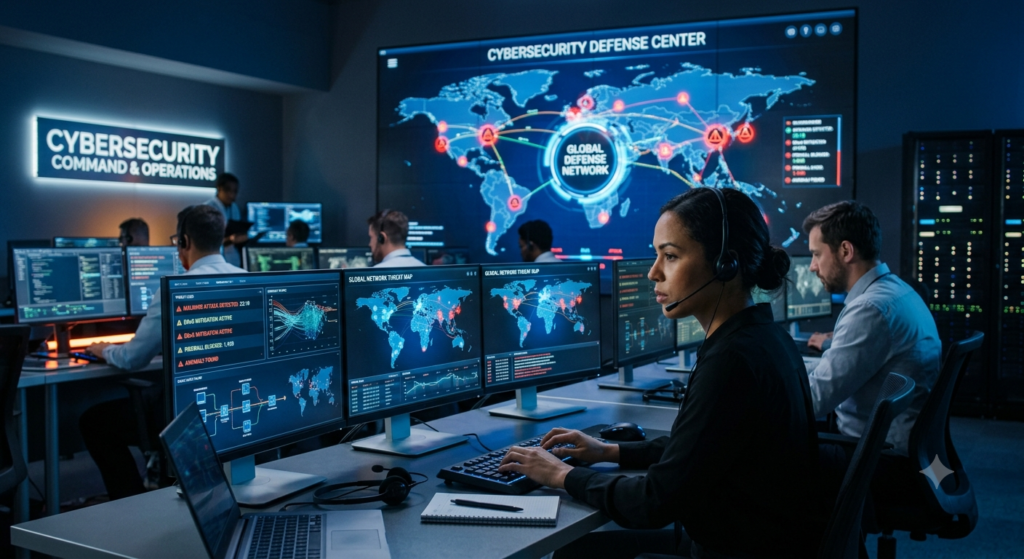
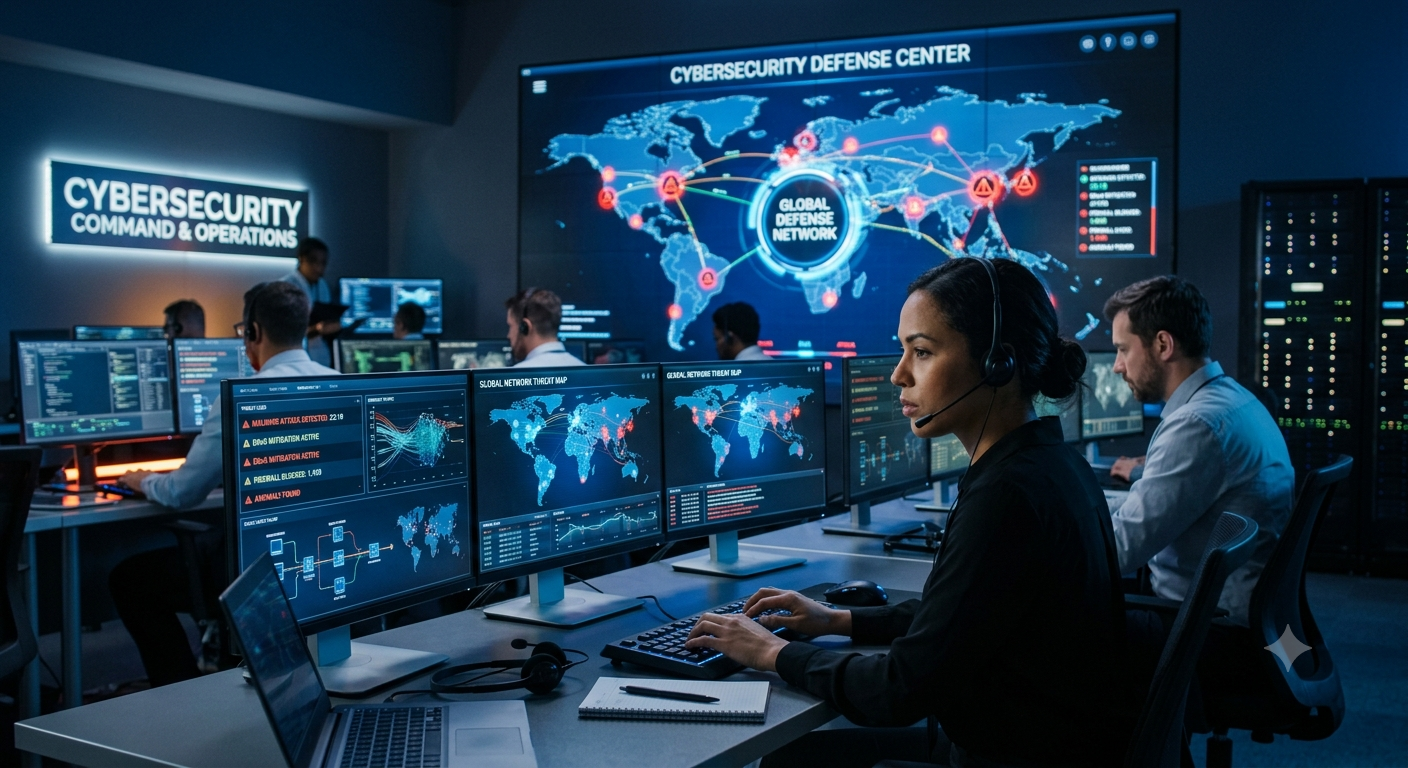
Artificial Intelligence, or AI, is also becoming an important part of cyber security. AI can help security experts find unusual activity and detect possible cyber attacks quickly. However, cyber criminals can also use technology to create smarter scams. That is why learning about cyber safety is more important than ever.
Every student can become a Cyber Guardian. Use strong passwords, keep your information private, avoid suspicious links, update your devices, and tell an adult when something feels wrong.
Remember: The best cyber security tool is an alert and responsible user.
So, the next time you go online, think like a Cyber Guardian: Stop. Think. Check. Stay Safe!
Grade 5 – Cyber Security: 10 MCQs
1. What does cyber security mean?
A. Playing computer games
B. Protecting computers, devices, networks, and information
C. Watching videos online
D. Creating cartoons
2. Who may try to steal or misuse information online?
A. Teachers
B. Doctors
C. Cyber criminals
D. Scientists
3. Which of these is a strong password practice?
A. Using 123456
B. Using your name
C. Using a difficult-to-guess password
D. Sharing your password with friends
4. What is phishing?
A. Catching fish online
B. A fake message designed to trick someone into sharing information
C. Playing an online game
D. Watching a movie
5. What should you do if you receive a suspicious link?
A. Click it immediately
B. Share it with everyone
C. Think carefully and avoid clicking it
D. Enter your password
6. What is malware?
A. Helpful software
B. Harmful software that can damage or steal information
C. A computer game
D. A search engine
7. Which information should you NOT share with strangers online?
A. Your favorite color
B. Your favorite sport
C. Your password and home address
D. Your favorite cartoon
8. Who can help you if something online makes you uncomfortable?
A. A trusted adult
B. A stranger
C. A hacker
D. Nobody
9. How can AI help with cyber security?
A. By detecting unusual activity and possible cyber attacks
B. By making passwords public
C. By deleting all computers
D. By sharing private information
10. What is the best cyber security rule?
A. Click everything you see
B. Share your password
C. Stop, Think, Check, and Stay Safe
D. Trust every message